![[HERO] Missing Person Investigations in 2026: How Modern Tech and Old-School Fieldwork Solve Cold Cases](https://cdn.marblism.com/cAJ5DFvHF7i.webp)
Cold missing person cases present a unique set of challenges that demand both cutting-edge technology and time-tested investigative instincts. Unlike active searches where hours matter, cold cases require us to reconstruct timelines from fragmented evidence, follow leads that have gone dormant for months or years, and apply fresh perspectives to investigations that may have stalled. At Criminal & Private Investigation Agency (CPIA), we’ve found that the most effective approach combines the precision of modern digital tools with the irreplaceable value of boots-on-the-ground fieldwork.
The families and legal partners we serve throughout Virginia and Richmond understand this truth: technology can accelerate the search, but human intuition solves the case.
The Digital Revolution in Cold Case Investigations
Modern technology has fundamentally transformed how we approach missing person investigations that have gone cold. What once required weeks of manual review can now be accomplished in hours, opening new avenues for cases that seemed impossible to crack just a few years ago.
OSINT: Mining the Digital Footprint
Open-source intelligence (OSINT) has become one of our most valuable tools for reconstructing the movements and connections of missing individuals. We systematically analyze social media archives, public records databases, and digital transactions to piece together patterns that might have been invisible at the time of disappearance. A single tagged photo location, a forgotten online account, or a pattern in digital communications can provide the breakthrough that reopens an investigation.

Our OSINT specialists understand that people leave digital traces everywhere they go: even years after they’ve vanished. We track down dormant social media profiles, analyze metadata from old photographs, and cross-reference public records to build comprehensive timelines. This work requires both technical expertise and investigative creativity, as we often need to navigate privacy restrictions and outdated platforms while maintaining strict ethical standards.
Facial Recognition and Bio-metric Analysis
Facial recognition technology allows us to scan thousands of archived images, surveillance footage, and public databases in search of matches. For cold cases, this means we can retroactively apply modern facial recognition algorithms to old footage that was never properly analyzed, or compare aged-up projections of missing persons against current identification systems.
We’ve seen cases where individuals missing for years were identified through facial recognition matches in places far from where they disappeared. The technology doesn’t replace human judgment: it accelerates the process of finding needles in digital haystacks, allowing our investigators to focus their efforts where the data suggests the highest probability of success.
Predictive Analytics and Pattern Recognition
Advanced data analytics helps us identify patterns that human investigators might miss when reviewing years of case files. We analyze geographical data, behavioral patterns, and historical information to narrow search areas and identify potential leads that deserve renewed attention. This technology is particularly valuable in cases involving suspected human trafficking or intentional disappearance, where individuals may have been moved through known corridors or followed predictable patterns.
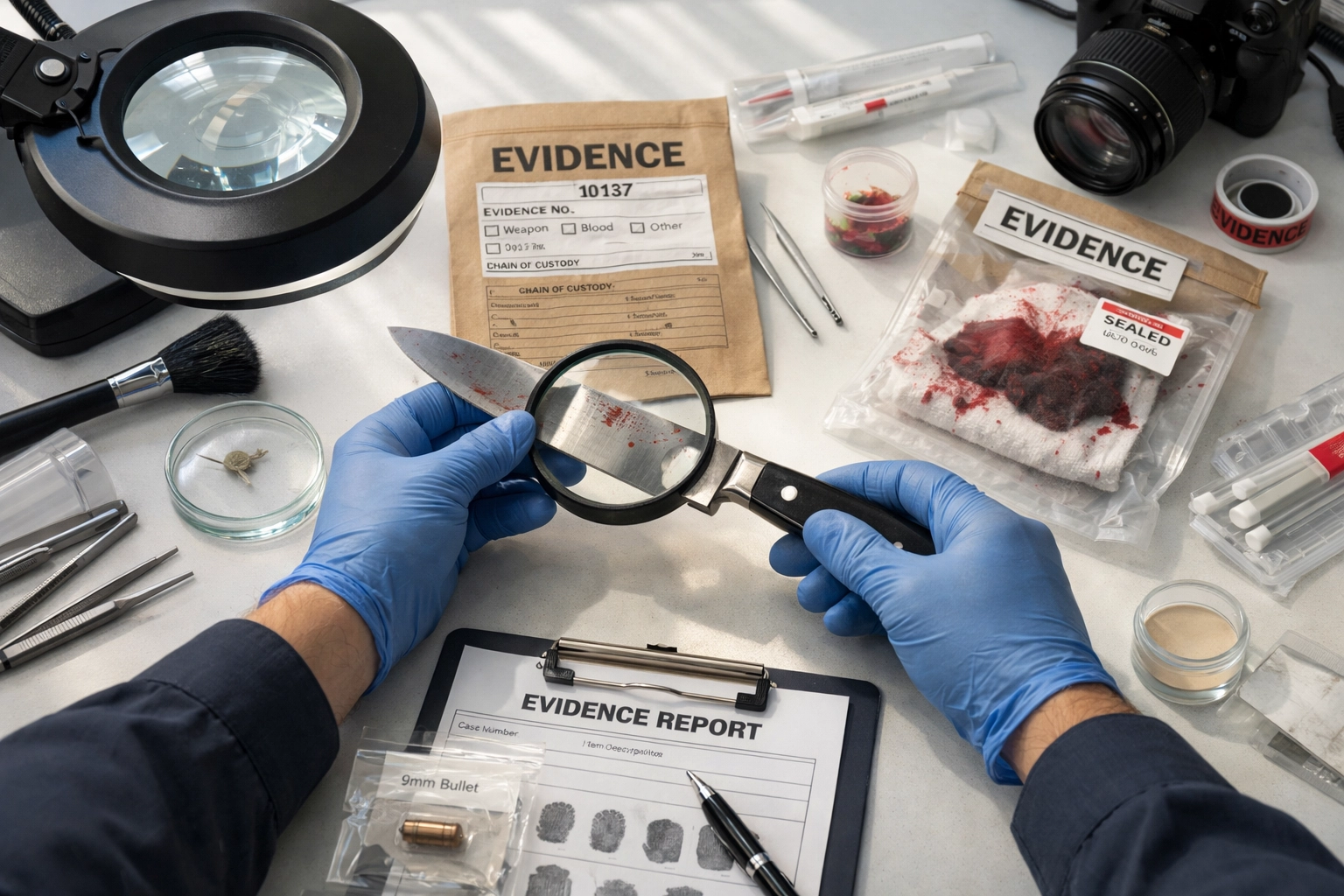
Predictive modeling allows us to prioritize investigative directions based on probability, ensuring that limited resources are deployed where they’ll have the greatest impact. We combine machine learning algorithms with our extensive experience in missing person investigations to create search strategies that are both data-driven and grounded in practical investigative reality.
The Irreplaceable Value of Traditional Fieldwork
Technology provides speed and scale, but cold cases are ultimately solved by investigators who understand human nature, can read between the lines of witness statements, and know how to ask the right questions. At CPIA, we maintain our commitment to thorough, meticulous fieldwork because we know that human connections and physical evidence remain paramount in missing person investigations.
Re-interviewing Witnesses with Fresh Perspectives
Time changes people’s willingness to talk. Witnesses who were reluctant to share information years ago may be ready to speak now. Relationships shift, loyalties change, and the fear or pressure that kept someone silent may no longer exist. Our investigators conduct fresh interviews with anyone connected to the case, approaching conversations with empathy and understanding.
We’ve found that people often remember additional details years after the fact, especially when interviewed by someone who brings new questions and a different investigative angle. Our team comprises experienced interviewers who understand how to build rapport, recognize when someone is holding back information, and gently guide conversations toward productive revelations.
Physical Evidence Re-examination
Cold cases benefit enormously from the re-examination of physical evidence using modern forensic techniques. DNA analysis, trace evidence processing, and forensic technology have advanced dramatically in recent years, making it possible to extract information from evidence that yielded nothing when originally collected.
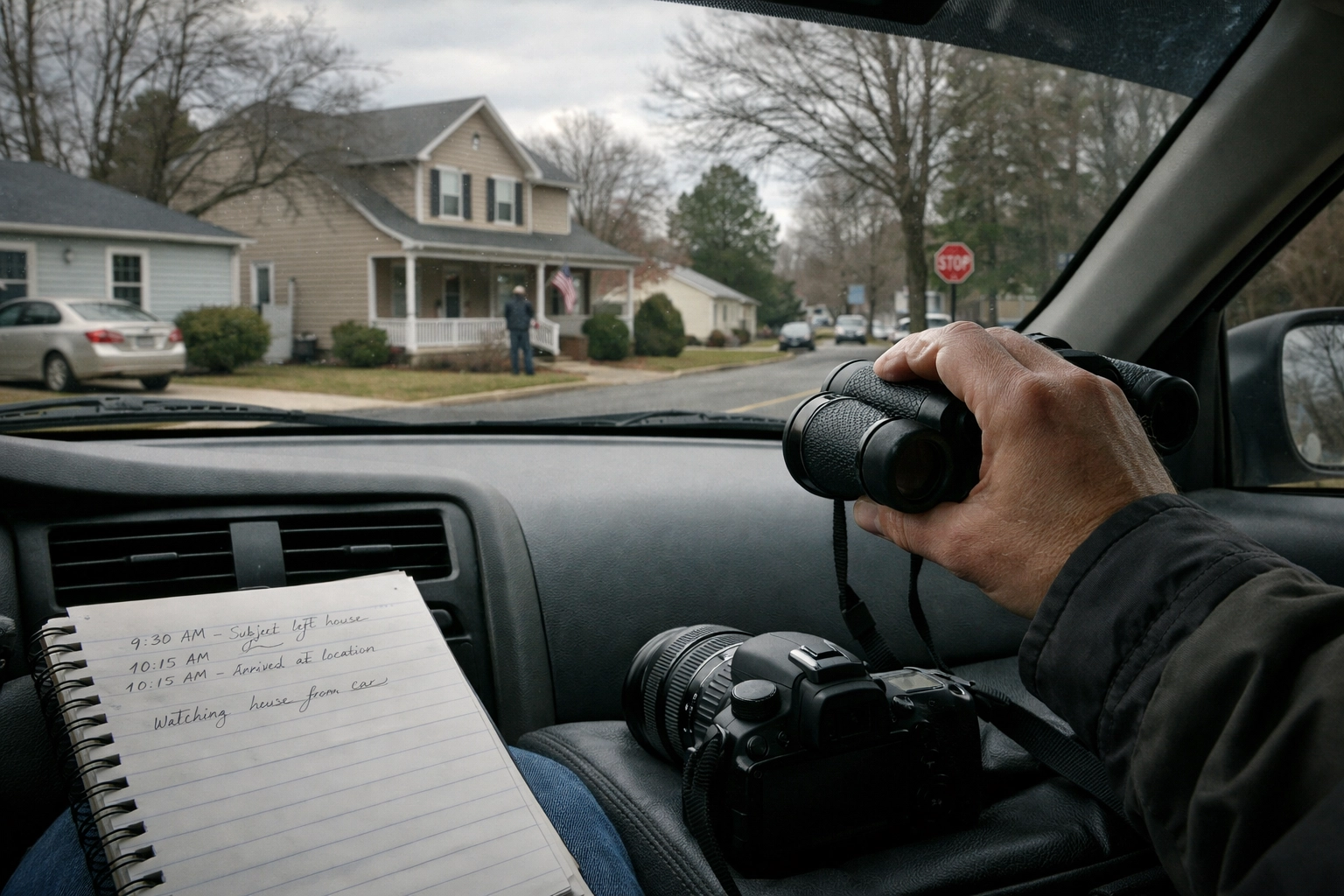
We work closely with forensic specialists to ensure that all available physical evidence is analyzed using the most current methods. This includes coordinating with legal partners to obtain necessary authorizations and maintaining meticulous chain-of-custody documentation. Our commitment to professional standards ensures that any evidence we develop will withstand legal scrutiny.
Community Engagement and Local Knowledge
Missing person investigations require deep local knowledge and community connections. We conduct ground searches in areas identified through digital analysis, speak with local residents who may have relevant information, and build relationships with community members who can provide ongoing eyes and ears in specific locations.
Our investigators understand Virginia and Richmond communities intimately. We know which neighborhoods have changed over the years, where people gather, and how to approach local sources in ways that build trust rather than suspicion. This local expertise, combined with our statewide network, ensures that we can pursue leads effectively regardless of where they take us.
The Synergy: Where Technology Meets Fieldwork
The most significant breakthroughs in cold missing person cases happen when we successfully integrate digital intelligence with traditional investigative work. Technology identifies the leads; human investigators determine which ones matter and how to pursue them effectively.
We use OSINT findings to guide our fieldwork, directing investigators to specific locations, individuals, or time-frames that digital analysis has flagged as significant. Conversely, insights from interviews and physical evidence inform our digital searches, helping us understand what online footprints to look for and where to focus our technological resources.
This integrated approach ensures that no investigative avenue goes unexplored. We leverage facial recognition to identify potential sightings, then dispatch investigators to conduct in-person verification and follow-up. We use predictive analytics to map probable locations, then conduct thorough ground searches in those areas. We mine digital communications for clues, then use that information to guide conversations with witnesses who might illuminate context and meaning.
Our Commitment to Cold Case Resolution
At CPIA, we understand that every cold missing person case represents a family living with uncertainty and unanswered questions. Whether we’re working with individual clients seeking closure or legal partners building cases, we approach each investigation with the dedication it deserves.
Our team maintains strict confidentiality throughout every investigation. We understand the sensitive nature of missing person cases and the privacy concerns that families face. All our work is conducted with discretion, and we provide regular updates while respecting your need for privacy and control over information sharing.
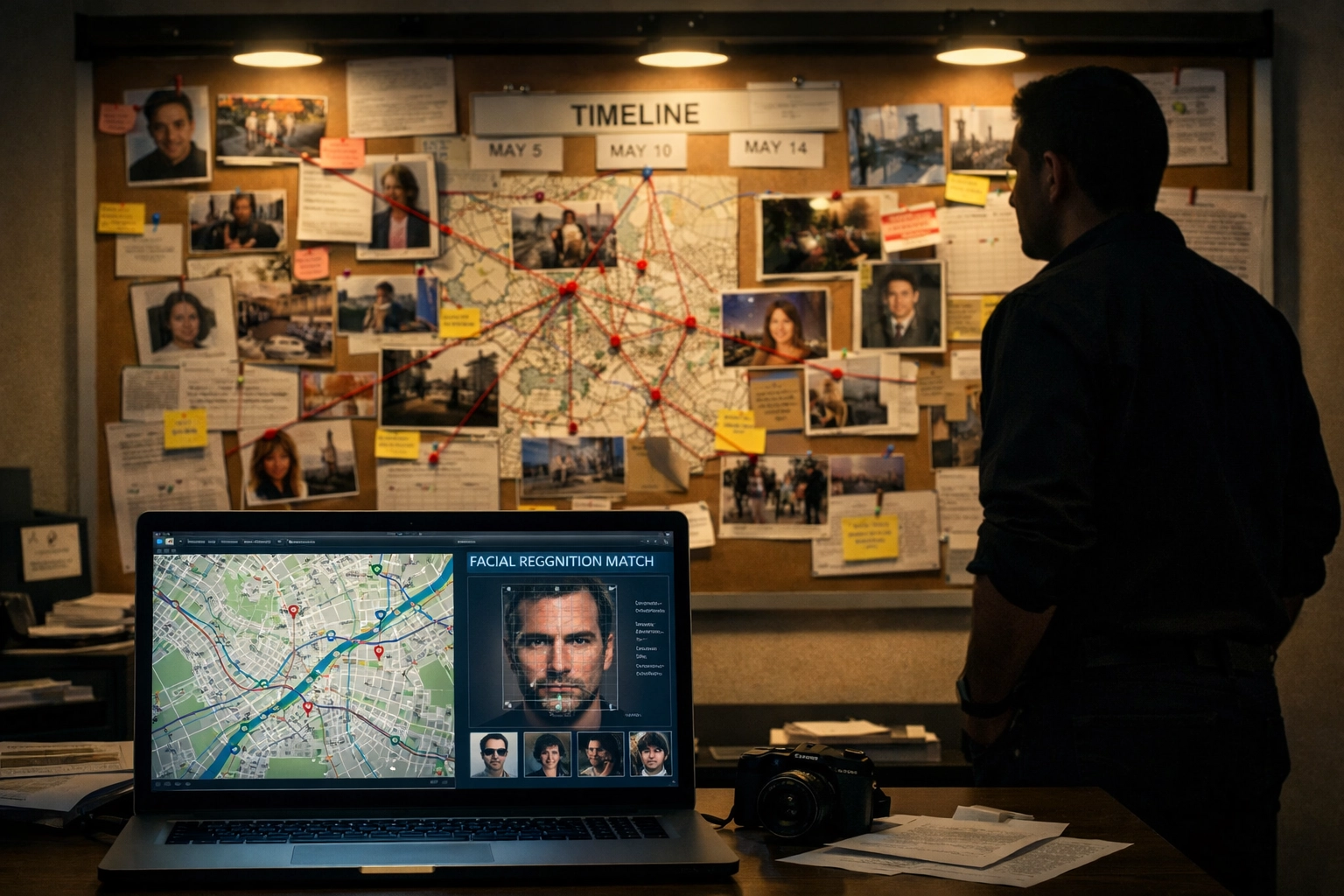
We bring together specialists in OSINT investigation, digital forensics, traditional fieldwork, and case management to ensure comprehensive coverage of every investigative angle. Our capabilities span both cutting-edge technological analysis and time-tested investigative techniques, allowing us to adapt our approach to the specific demands of each case.
Moving Forward Together
Cold missing person cases require patience, persistence, and a willingness to look at old information through new lenses. Technology has given us powerful new tools, but the human element remains irreplaceable. The combination of both approaches: modern digital intelligence and traditional investigative fieldwork: offers the best chance of bringing resolution to cases that have remained open for too long.
If you’re dealing with a cold missing person case, whether as a family member seeking answers or a legal professional building a case, we’re ready to apply our full range of investigative capabilities to your situation. Our team serves clients throughout Virginia and Richmond, bringing both technological sophistication and investigative experience to every case we handle.
We understand the weight of uncertainty that comes with a missing person case. We’re here to provide not just investigative services, but partnership, support, and unwavering commitment to finding answers. Contact us to discuss how our integrated approach to cold case investigation can serve your specific needs. Every case deserves a fresh look, and we’re prepared to provide exactly that.
 CPIA Blog
Leave a comment